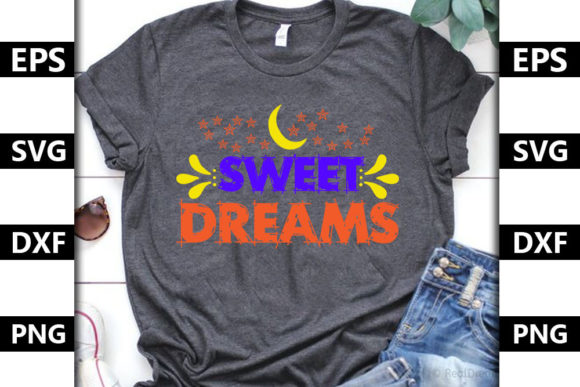
Baby Quote Design, Sweet Dreams: A Thoughtful Embroidery Asset
Real-World Performance and Use Cases
- Custom Apparel: Sweatshirts and t-shirts benefit from its legibility and soft aesthetic.
- Tote Bag Embroidery: As a central motif or border element, it adds a touch of elegance without overwhelming the design space.
- Handmade Baby Items: Onesies, bibs, and blankets are perfect canvases for this quote due to its gentle tone.
- Nursery Decor: Whether stitched onto muslin prints or decorative pillows, it brings a sense of calm and style.
- Holiday Gifts: Wrapped in a custom-stitched gift bag or embroidered onto a festive apron, it becomes a memorable keepsake.
Use with Caution: Practical Considerations
- Small Hoop Sizes: If you plan to scale the design down significantly, some letters may become hard to read or lose their visual charm. Always test on scrap fabric first to ensure it remains legible and appealing.
- Textured or Stretchy Fabrics: On materials like denim, corduroy, or knits, the stitch tension and stabilizer choice become critical. Without proper support, the design could distort or pucker.
- Dense Stitch Areas: If adding additional embellishments around the quote, be mindful of overlapping fill stitches or running stitches. Too much density can lead to bulkiness or make the design less prominent.
- Dark Fabric Backgrounds: The thread colors may not pop as well against darker shades. Consider adjusting the color palette or using metallic threads for contrast.
- Frequent Washing: Though the design held up in my tests, always use quality threads and appropriate stabilizers for items like baby clothes or kitchen towels that will endure repeated laundering.
Designer Notes and Best Practices
Test First: Before committing to a large order or client project, embroider a sample on the same fabric you’ll be using. This helps catch any issues with stitch flow or detail visibility early on.
Thread Color Contrast: The default thread colors in the digital file are soft and pastel-like, which is great for light fabrics. But if you’re using dark fabric, consider switching to white or contrasting colors to maintain visual clarity.
Stabilizer Choice: Depending on the fabric texture, you may need to adjust the type of stabilizer you use. A tear-away stabilizer usually suffices for cottons and quilting fabrics, but woven or stretchy materials may require a cutaway or interfacing layer.
Mockup Previews: When selling digital embroidery files or showcasing them on printable mockups, use black-and-white versions to evaluate how the design will look with different thread combinations. Also, compare how it appears on both light and dark fabric backgrounds to better represent its versatility.
Licensing Check: Since this is a digital embroidery file intended for various uses, always confirm licensing before selling the finished product or offering it as a downloadable item. Many designers have strict terms for commercial use, and respecting those ensures your business stays compliant and ethical.